
How to Achieve Varroa Resistance in Your Hives – the Workshops
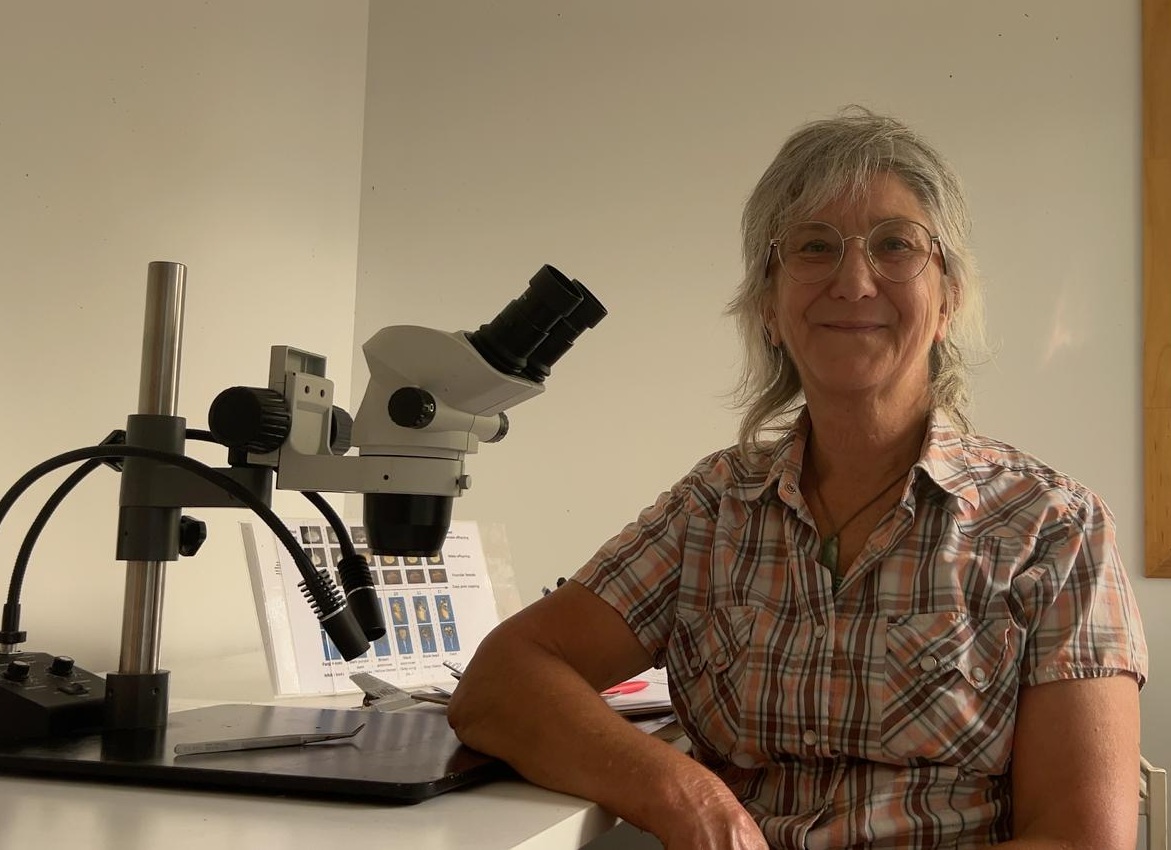
After first floating the idea publicly two months ago, Ashburton queen breeder Rae Butler now has dates set for eight workshops focusing on how to identify, measure and maintain varroa resistance in honey bees. She explains what will be covered and that there is still plenty of time for new participants to register their interest.
By Rae Butler
After three seasons of practical fieldwork in Canterbury, a clear and workable pathway has been developed to help beekeepers identify, test, and breed from their own varroa-resistant bees. Supported by the New Zealand Honey Industry Trust, this work has focused on defining key resistance traits and how they can be measured, giving beekeepers greater confidence in what they are breeding or buying, and what performance to expect from their stock.

This work places a strong focus on Varroa Sensitive Hygiene (VSH), alongside other complementary traits, and how these can be maintained and strengthened through different mating options. A Canterbury pilot study confirmed that VSH traits already exist within local bee populations. Using a simplified, time-efficient testing method (around 25 minutes per test), this approach is practical for both commercial and small-scale beekeepers. These traits can be progressively enhanced over time, with or without the use of insemination techniques.

This July, a series of one-day workshops will be held across New Zealand, building on the findings from both those local pilot studies and evolving varroa resistance research worldwide. These workshops will cover: what varroa resistance traits are and how they are measured; how to identify and select resistant colonies; applying simple testing methods in your own apiary; making breeding decisions using measurable data; and mating systems suited to your operation.

For commercial beekeepers, whether breeding or purchasing queens, this provides clarity around resistance traits and encourages queen breeders to incorporate varroa resistance into their programmes.
Selecting for varroa resistance can reduce treatment reliance, lower costs, and improve colony health — all while working with the bees you already have.
Register now to secure your place. www.bbnzg.co.nz/register (Thanks to those who registered their interest; your responses have made it possible to finalise locations.)



Comments