
Where Are We Now? Hornet Response Enters Second Spring
Updated: Oct 2
With no new yellow-legged hornet detections since April, Biosecurity New Zealand is stepping up surveillance this spring as the risk of surviving queens emerging from winter increases. Trapping continues, new tracking technology is being introduced, and scientists are trialling freshwater eDNA testing as another possible detection tool.
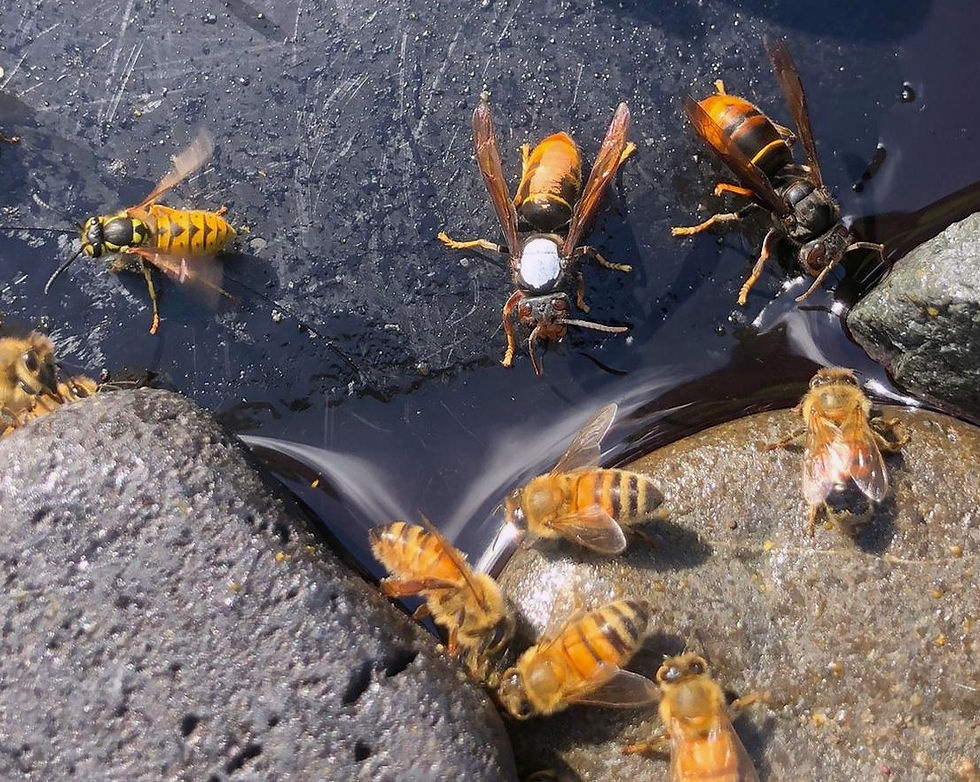
The yellow-legged hornet response in Auckland is entering a critical new phase this spring. According to Biosecurity New Zealand, trapping has continued through winter, surveillance and apiary monitoring are now being increased for the high-risk spring period and public reporting remains a key part of the response.
In a September press release, Biosecurity Minister Andrew Hoggard said the response had already destroyed 77 queens and 132 nests, with no hornets seen since April.
“That’s encouraging, but we are not out of the woods yet.”
“If any mated queens survived winter, they may start emerging in the coming weeks to build new nests.
“That is why we need Aucklanders to stay alert. If you think you have seen a yellow-legged hornet or nest, take a photo if it is safe, and report it straight away. Early reports give us the best chance of finding and destroying any new nests before they become established.”

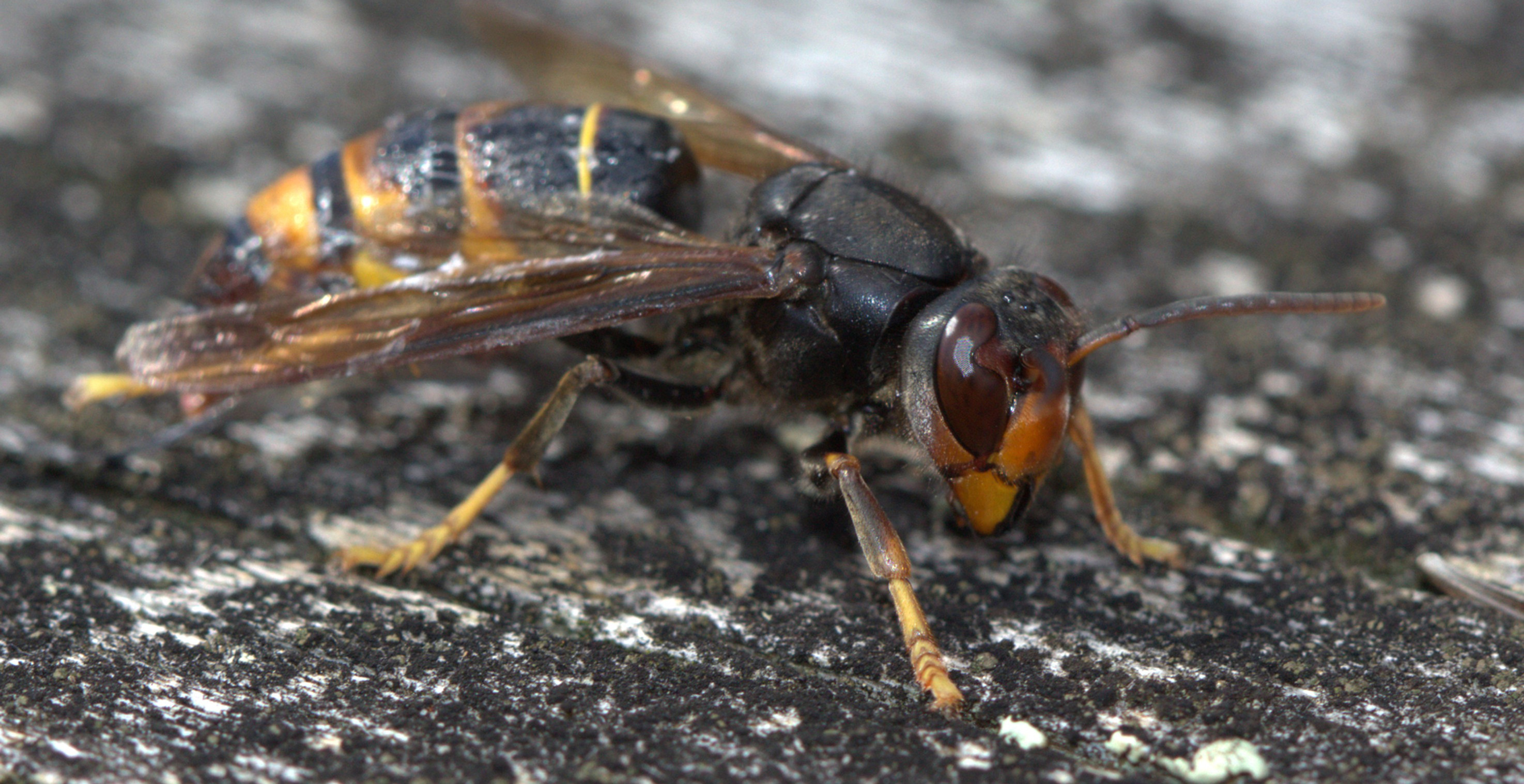
Trapping, Tracking and Eradicating

Mike Inglis, commissioner north, Biosecurity New Zealand, says 1200 traps are already deployed and being monitored.
“If hornets are detected again this season, then bait stations with carbohydrate lures will be used like they were last season – to track and trace hornets to their nests, so that nests can be controlled.”
Inglis says the technology has also been refined for this season.
“In the event we discover hornets and need to track and trace them to nests, we have smaller radio trackers to deploy this season. This means we’ll be able to attach the tiny transmitters to smaller hornets than we were able to previously.”

Public surveillance will also be important as potential queens emerge from overwintering with the threat to establish new nests, which last season were often found on homes and structures such as fences and carports.

“The more than 18,000 public notifications we received last season were key to our response success so far,” Inglis says.
He adds that a new initiative involves asking the public to register homemade traps.
“We have one new initiative where we’re asking members of the public who have home-made traps to register these with us. This will give us a clearer picture of the spread of traps out there (over and above our network).”
Biosecurity New Zealand has started its spring advertising campaign, with digital billboards, digital ads and social media targeting predominantly Auckland’s North Shore, alongside some nationwide coverage.

A New eDNA Approach

Alongside traditional surveillance, scientists at the Bioeconomy Science Institute Maiangi Taiao (BSI) are trialling environmental DNA, or eDNA, sampling of freshwater around Auckland’s North Shore.
BSI entomologist Andrew Pugh, who is leading the freshwater eDNA project, says the approach is similar to wastewater testing for Covid-19 presence, which many New Zealanders are familiar with.
“We are essentially leveraging waterways as natural collectors of genetic material. Even insects that aren’t aquatic shed cells, tissues, and biological material into the environment, which can be detected through eDNA testing,” Pugh explains.
Water samples will be collected from streams and small waterways around the North Shore.
“This technology has successfully detected pest wasps so we know it works, but what makes this research exciting is this will be the first time eDNA testing has been used in a New Zealand biosecurity insect incursion response.

“If successful, this work could help identify areas of hornet activity to quickly track down hard-to-find nests, and to optimise field deployment of surveillance traps.”
The eDNA techniques are still in the “proof of concept” phase though and thus it is too early to say how, longer-term, they might fit into the overall response.
“Once it demonstrates an ability to provide real operational benefits, we will work to see how it could be integrated into the wider system.” Inglis says.
With spring now well underway and the threat of yellow-legged hornets emerging at any time, vigilance remains important. For anyone who sees a suspected yellow-legged hornet or nest, the message remains simple: take a photo and report it immediately to Biosecurity New Zealand (0800 80 99 66).
Info on how to build a homemade hornet trap and register it is available here.


Comments