
Moving Beehives and Honeybee Behaviour
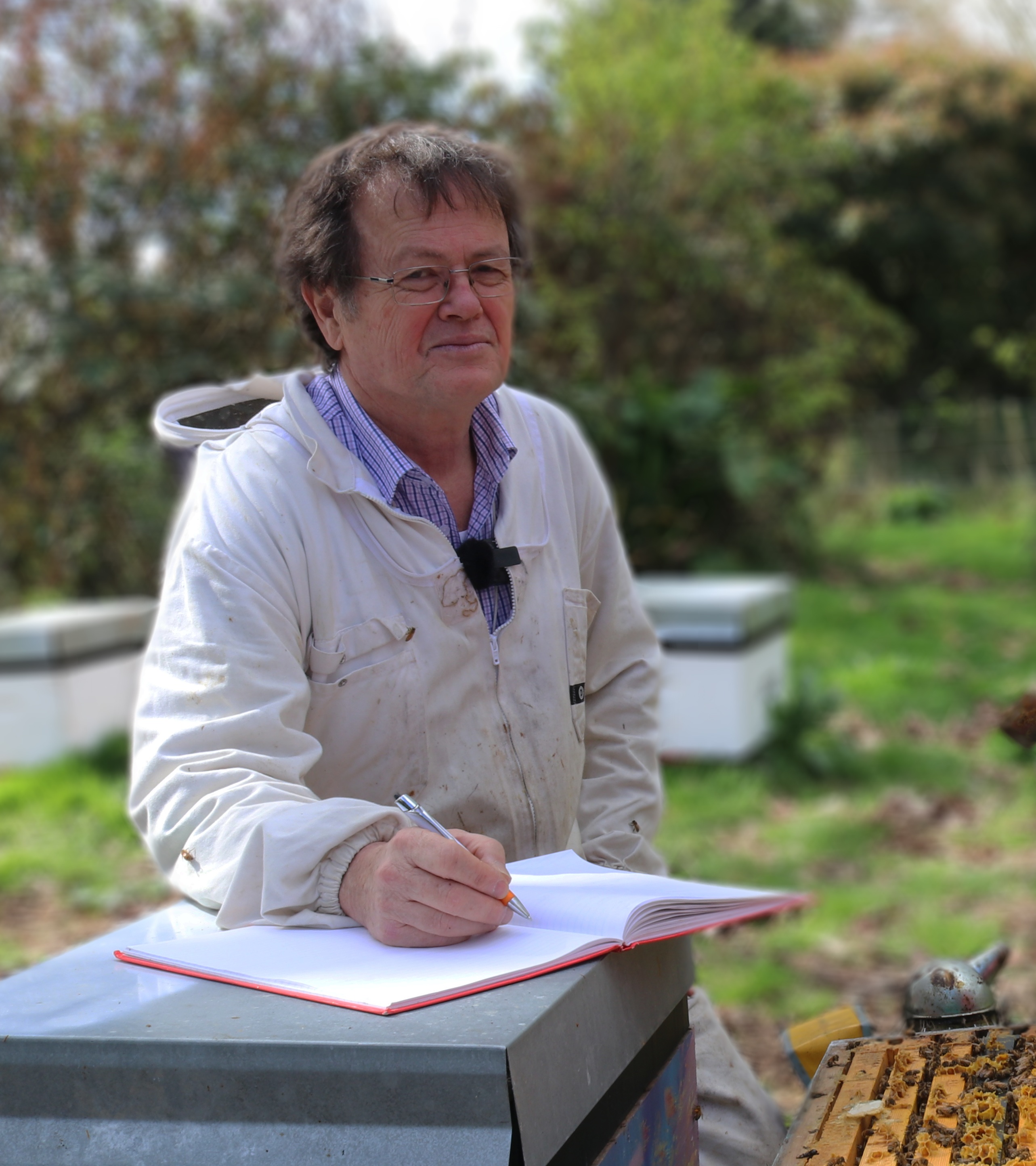
THE SCIENTIFIC BEEKEEPER: Dr MARK GOODWIN
If you are a beekeeper you will have invariably moved hives to a different location, and for most commercial beekeepers it is an essential part of the business. Dr Mark Goodwin has too, and makes some astute observations about the resulting bee behaviour.
By Mark Goodwin
We have all shifted hives but may be unaware of the effect it has on honeybee behaviour.
I was watching the entrance of an observation hive from dark on a cool morning. It was not warm enough for bees to start flying from their hive, even when the sun came up. I was therefore astonished to see a steady stream of bees entering the hive.

These bees must have been caught out by sunset the previous day. I assume that they stayed overnight in flowers but must have been in locations where they got enough direct sunlight to be warm enough to be able to fly early in the morning.
I have seen both bumblebees and honeybees motionless in kiwifruit flowers very early in the morning. There were likely other bees that spent the night in colder conditions that would not have been able to fly until there was an increase in air temperature. It is more likely to occur in the summer where light conditions stop flight activity rather than in the winter when temperature can stop nectar and pollen production before it gets dark enough to stop bees flying.
If you are moving an apiary, it might be worth leaving a weak hive to collect these bees.

Travel Routine
Another observation on moving hives comes from marked bees visiting a feeding station that I had set up. I needed bees to feed off a small dish of sugar syrup 1km from their hive. To do this I put a dish of syrup on the flight board. After a few bees fell into the syrup, they started to feed off it. I marked these bees with coloured paint and started to slowly move the dish away from the hive. To start with I could only move it a centimetre at a time so the returning bees would be able to find it again.
Interestingly, the bees became use to the dish moving, so I could increase the distance in each move until I was moving the dish 50m at a time. The bees anticipated each move, so they were waiting at the next 50m mark for me to put the dish down again. Why bees should have the ability to anticipate the moves is unclear as their food sources don't normally move.
I trained these bees from the inner courtyard of the zoology department building at Auckland University, through a breezeway to outside of the building, across the lawns in front of the old Government House building, down Princess Street and onto the roadside curb along Queen Street. The pedestrians on Queen Street didn’t notice the brightly coloured bees flying between their legs to get to the sugar syrup!

The next day I had to move the hive to the botanic gardens at Manurewa. The surroundings were paddocks and a few scattered trees. I didn't want to go through the lengthy process of retraining the bees after they started foraging, so I walked out to about a kilometre from the hive in the same bearing that I had trained them to Queen Street. The bees were flying around the spot waiting for me to put the dish down.

I was very surprised that it worked as the paddocks looked nothing like the city canyon that is Queen Street. The marked bees were obviously unaffected by the move and the changed surroundings and just flew the distance and direction they were trained to fly the previous day using their sun compass. This suggests that when you move a hive the foragers will first fly the distance and direction they had been flying before the move. I assume if they don't find the flowers they were looking for, they will fly back to their hives and wait to be recruited to other flowers.
Mark Goodwin is a honey bee scientist and pollination biologist. He set up and led the honeybee research team at Ruakura in Hamilton for 35 years and has vast experience in beekeeping, having given lectures and worked with beekeepers and growers in 19 different countries, written 25 scientific papers, hundreds of technical articles and some of New Zealand beekeeping’s most instructive books.


Comments