
Some Awkward Phone Calls – Advice on Getting Honey Samples Tested
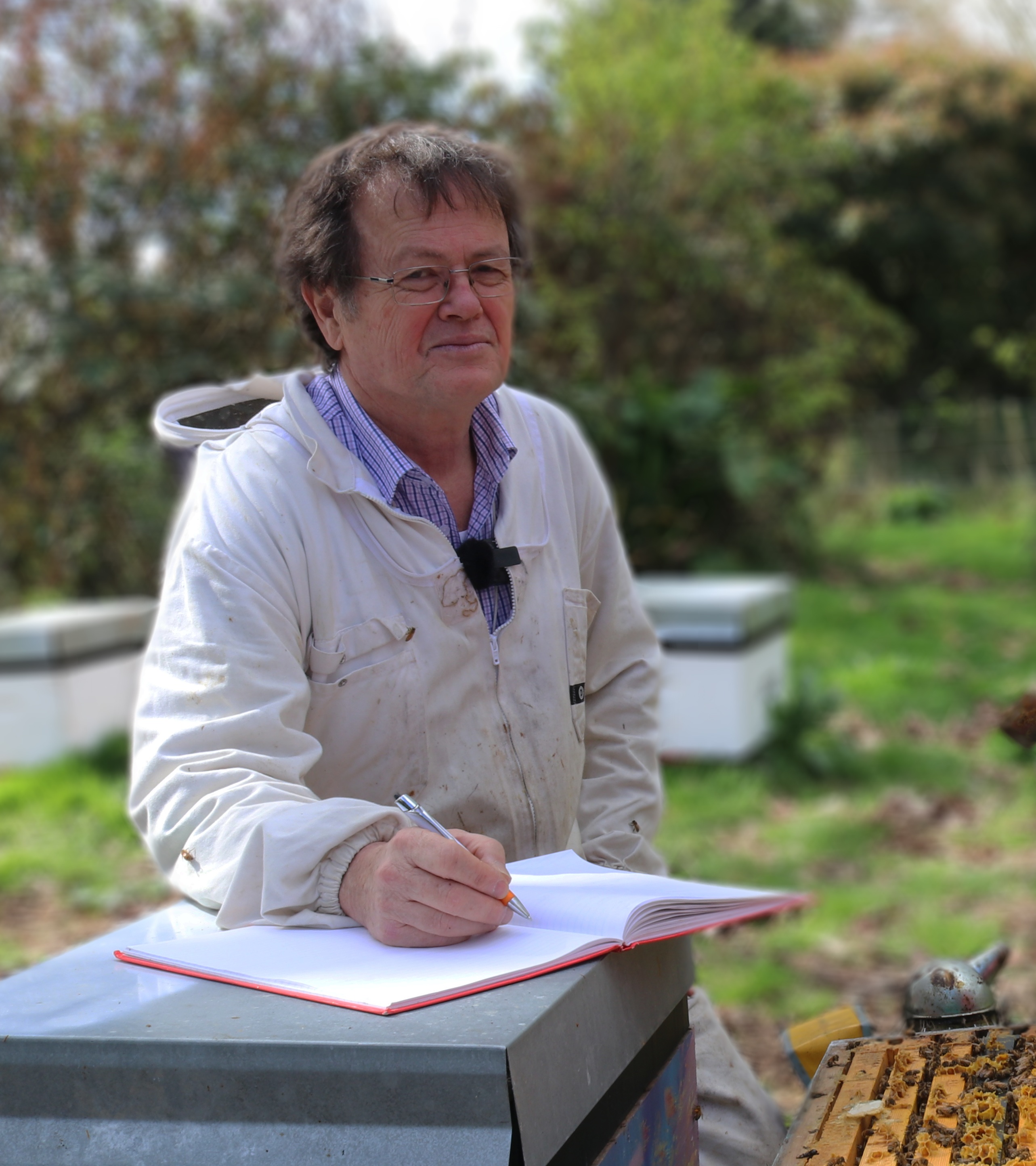
Honey testing labs don’t always get it right, in Mark Goodwin’s experience, but there are tricks to confirming results accurately represent your honey.

By Dr R. Mark Goodwin
As science advances, so does what we can test beehives and bee products for. This might include varroa control chemical residues, mānuka honey standards, and American foulbrood (AFB). We fill out a form and send the sample to a lab and assume the results we get back are correct. There is a potential flaw with this assumption. Personally, I have encountered some difficult situations when I have had to get samples tested.

1080-180

The first was when New Zealand beekeepers had an issue with bees foraging on 1080 jam baits laid for possum control. A beekeeper was worried that his honey crop had been contaminated with 1080. I pointed out that the cells in colonies poisoned with 1080 were green because of the green dye in the baits. These green cells usually tested at about 2parts-per-million, and as his extracted honey was not green. If there were 1080 residues, it would be far below the detectable level. I sent a sample to the lab analysing 1080 residues, to keep him happy. I was incredibly surprised when the results came back as 2ppm 1080. I rang the lab with my concerns, and they said they would have another look at it. About a week later I, and everyone else who had had honey samples tested over the previous two years received a letter to say they had made a mistake with the testing, and all the samples would be retested. They retested my beekeeper sample, which now came back as negative.

False-positive
On another occasion clients asked me to use a commercial lab for residue testing for the trials I was doing for them as it was cheaper than using our labs. Whenever I did this, I also always added samples I knew were positive and others I knew were negative. The first time I did this, one of my negative samples tested positive. I had to make another one of those difficult phone calls. They said they would retest the sample at my cost if the sample was still positive, and at their cost if it was negative. As it turned out to be negative this time, I didn't have to pay for it, and I got the lab, at their cost, to retest all the samples to make sure those results were correct.
Unsound Washdown
On another occasion I asked one of my technicians to make the positive sample, but they made a concentration that was higher than it should have been. When I got all the results back, the lab had identified the positive control correctly; however, the next highest result was in the next sample tested, and the concentrations decreased with each further sample tested. I had to have another one of those difficult phone calls and get the samples retested. There was obviously a problem with the clean up between samples.

Radiation Frustration
In a further example, I was talking to a beekeeper who wanted some equipment irradiated in New Zealand because it might have been contaminated with AFB. I provided some AFB spores to be irradiated at the same time, and I was sure they would be killed as irradiation is physics rather than chemistry. I was very surprised when the spores were alive when they came back, and I had to make another one of those phone calls. It may have been a coincidence, but a manager for an Australian irradiation plant said that sometime after my phone call, the New Zealand plant was shut down, and all medical equipment was sent to Australia to be irradiated for about six months.

I may have just been very unlucky that every time I went to an outside agency for testing or treatment, the parties got it wrong. Interestingly, it was probably not just my samples, and other people may have incorrect test results they didn't know about.
In conclusion, if you are submitting samples ask the lab if they routinely test positive and negative samples as part of their own quality assurance programme. Even if they are, it is good practice to always include several samples that you already know what the results are. If they were tested previously, it is best to keep the sample in the freezer until you want to have them tested again. Alternately you can make up positive and negative samples to act as controls for the testing. That way, you can have confidence in the results.
Mark Goodwin is a honey bee scientist and pollination biologist. He set up and led the honeybee research team at Ruakura in Hamilton for 35 years and has vast experience in beekeeping, having given lectures and worked with beekeepers and growers in 19 different countries, written 25 scientific papers, hundreds of technical articles and some of New Zealand beekeeping’s most instructive books.


Comments